
Lifo - Storefront Editor
Make commerce easy for social creators
Context
Lifo needed a scalable web-editing interface and shared design system to support a growing number of client e-commerce sites. Existing tools lacked consistency across layouts, components, and responsive breakpoints, making customization difficult to maintain as the platform expanded.
This project focused on establishing a flexible web-editing UI and foundational design system that could support long-term scalability, consistency, and efficient customization across client implementations.
Outcome
Phase one delivered a standardized web-editing UI and foundational design system that improved consistency and governance across client storefronts. The new framework enabled faster customization, reduced maintenance overhead, and positioned the platform to scale more effectively as Lifo’s client base continued to grow.
As Lifo’s creator base expanded, fragmented web editing tools made customization and maintenance difficult, slowing iteration and weakening design governance across storefronts. This was an end-to-end UX effort at the platform level—from research and system definition through UI design, beta launch, and the governance needed to keep the system scalable over time.
Problem StatementLead UX Designer — responsible for defining the web editing UI framework, establishing the design system and style guides, and aligning cross-functional teams around scalable design standards.
RoleTeamCollaboration with Product Management, Engineering, and Client Services stakeholders.
Project DurationPhase 1: ~3 months


Research
To understand how creators manage and maintain e-commerce sites at scale, we conducted competitive analysis, user surveys, and 1:1 interviews with creators. The goal was to identify where existing editing tools introduced friction, inconsistency, or unnecessary overhead.
Research revealed that creators shared a common set of priorities: working efficiently, maintaining visual consistency across pages, and reducing the risk of errors during frequent content updates. Many struggled with fragmented editing experiences that slowed iteration and made long-term maintenance difficult.
These insights confirmed the need for a more structured and customizable web editing UI—one that balances flexibility with guardrails, enabling creators to move faster while preserving consistency and brand integrity across their sites.
Key Research Takeaways
Creators value speed and efficiency when making frequent updates
Inconsistent layouts and components increase maintenance effort
Editing errors are common when systems lack clear structure
Customization is most effective when paired with shared standards

Empathy mapping was used to synthesize qualitative research into shared mental models, helping the team align on creator goals, pain points, and decision-making constraints.


Design Challenge
Creators using Lifo had highly varied brand aesthetics, but the platform needed to support customization without sacrificing consistency or scalability. The challenge was to design a system that allowed brands to express themselves while maintaining a coherent structure across pages, layouts, and devices.
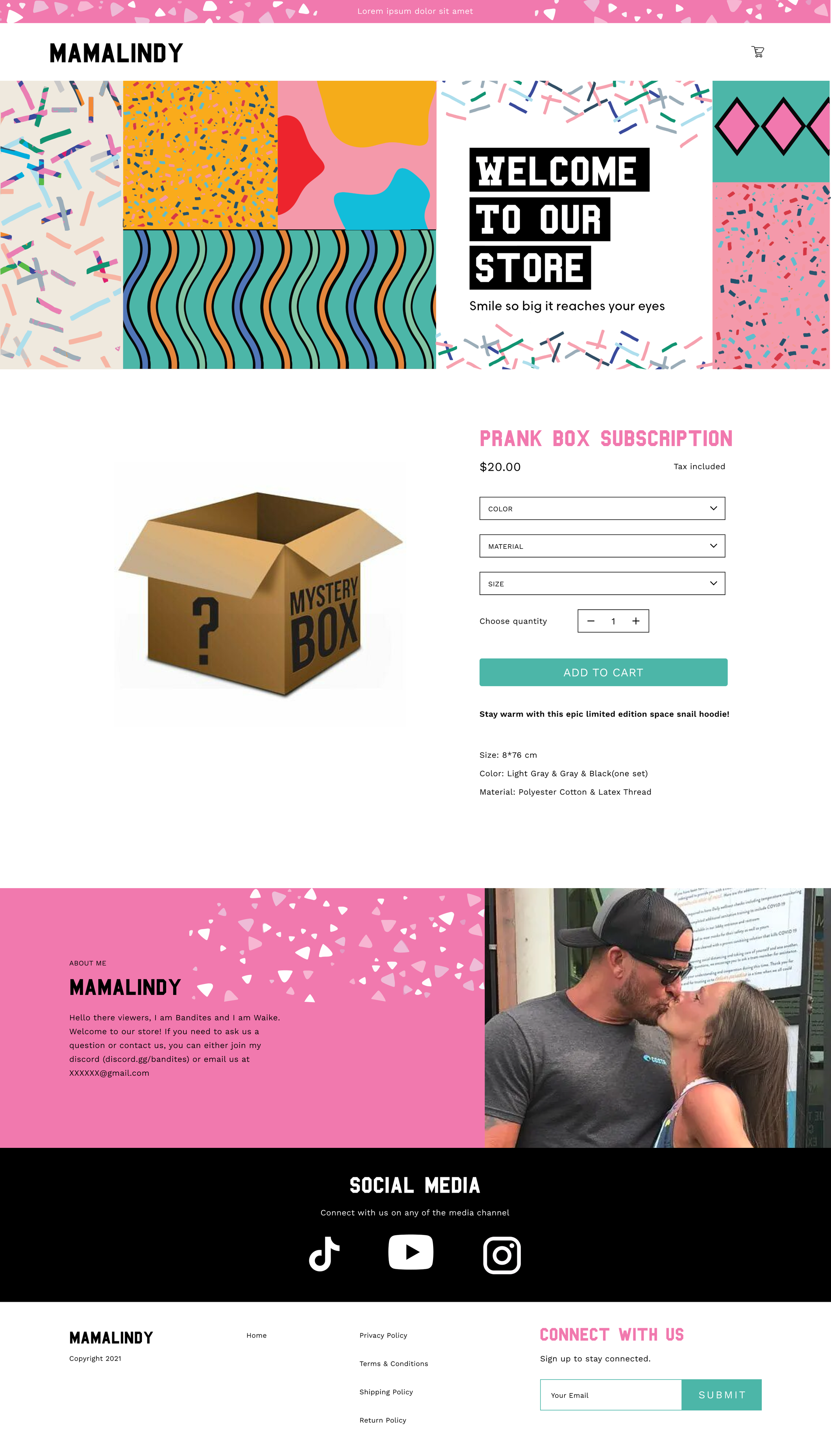
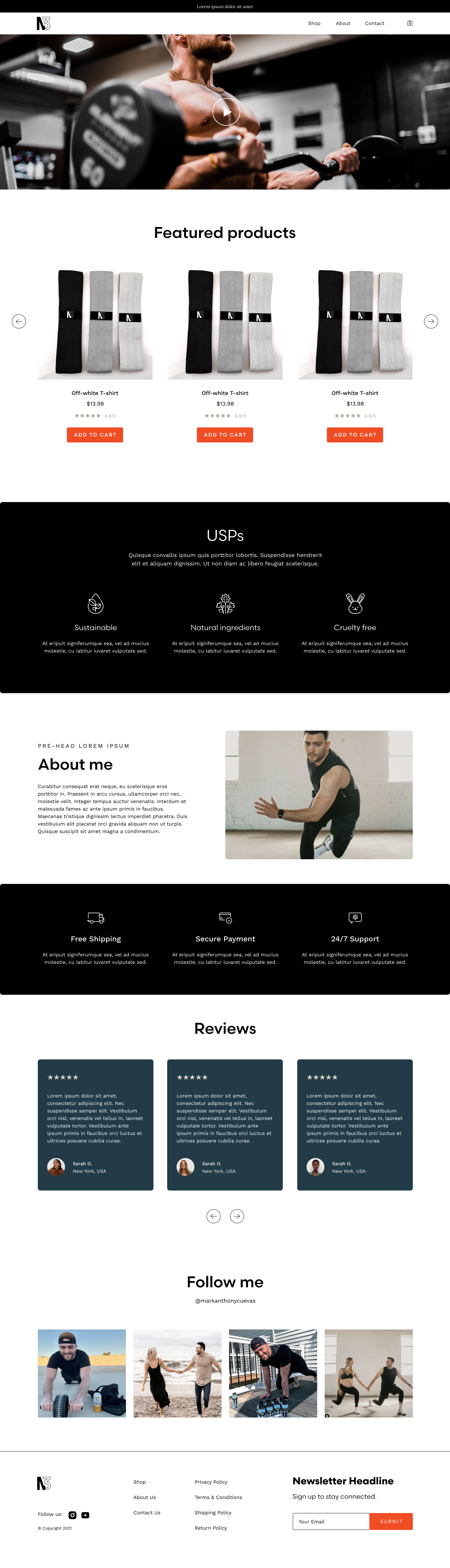
To address this, we explored a set of sectional templates—predefined layout patterns that provided clear content structure while remaining flexible enough for customization. Early exploration included a wider range of visual directions, which was intentionally narrowed for beta to validate the system’s adaptability without introducing unnecessary complexity.
The core challenge was not visual style, but governance: establishing a layout framework that could support diverse content types and brand expressions, while ensuring long-term maintainability, consistency, and efficiency across client implementations.
Outcome
Lifo launched the Storefront Editor (Beta)—a standardized web-editing experience that enables creators with limited technical expertise to build and maintain customized e-commerce sites within a consistent, governed framework.
Phase one established a shared editing foundation that balanced flexibility with structure, allowing creators to configure layouts, styles, and campaigns without compromising platform integrity or performance standards. The system reduced reliance on manual development, improved consistency across client storefronts, and lowered the risk of errors during frequent content updates.
As a result, Lifo is now better positioned to scale its creator ecosystem with a maintainable design system—supporting faster customization, clearer governance, and continued expansion of marketing and commerce features in future phases.

The Storefront Editor was designed to give creators meaningful control over their storefronts while maintaining a consistent, system-driven foundation. The interface supports customization across layout, styling, and content presentation—allowing creators to adjust visual expression without introducing fragmentation or technical risk.
Real-time preview enables creators to validate design decisions in context before publishing, reducing iteration time and increasing confidence during frequent updates. By combining flexible customization with clear structure, the editor helps creators move quickly while preserving visual consistency and platform standards across all storefronts.

Customizable product UI

Revenue Report UI
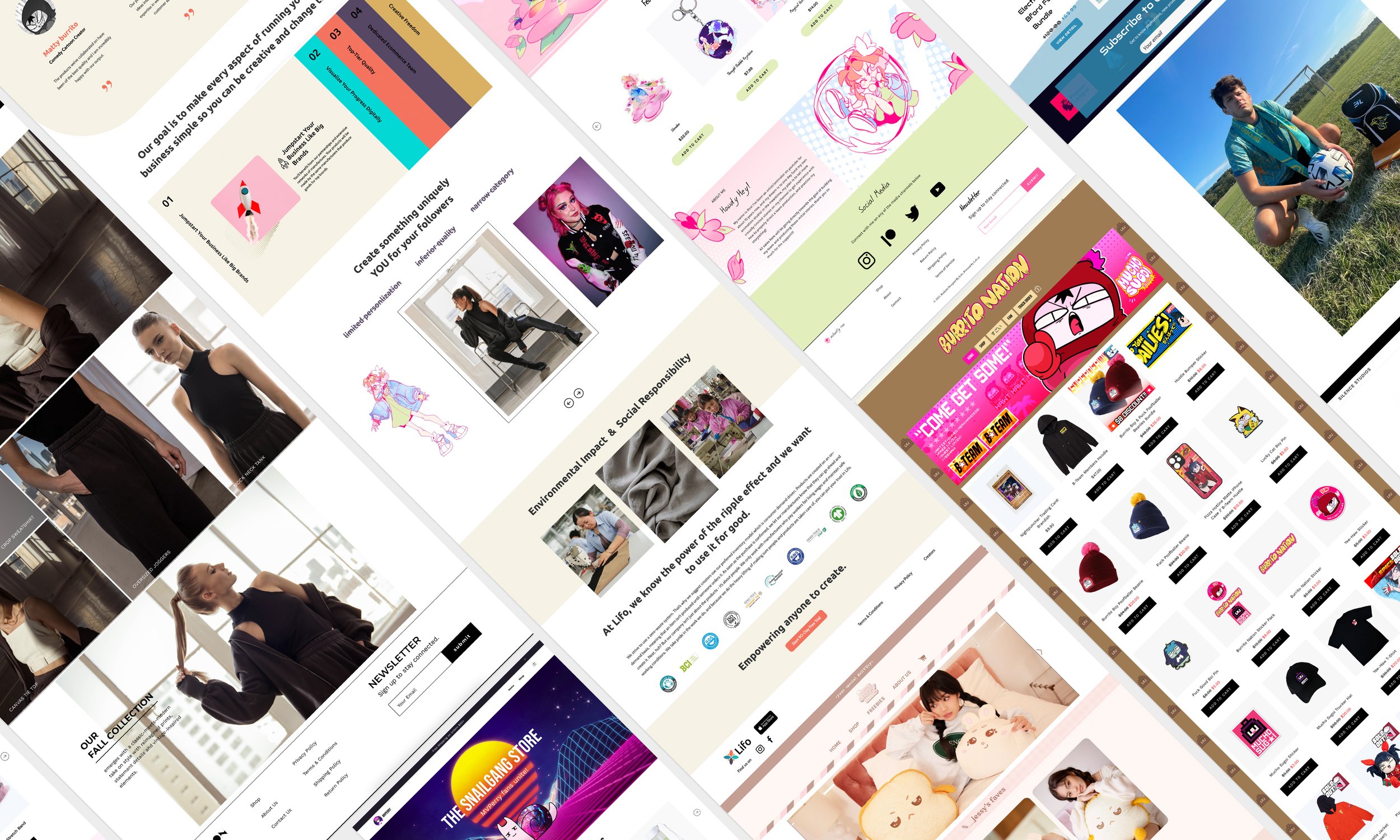
Real-World Storefront Implementations
These storefronts demonstrate how a shared editing system supports diverse brand expressions while maintaining consistent structure, performance, and usability.

Session
Creator
Erica Hoida — fashion stylist and content creator
Use case
Editorial-style fashion storefront built using modular sections, image-forward layouts, and standardized spacing rules.
System focus
Shows how creators can customize layout and visual hierarchy while staying within a governed design system optimized for scalability and reuse.

Burrito Nation
Creator
Matty Burrito — independent animator and content creator
Use case
High-contrast, illustration-driven storefront configured using shared layout templates and reusable components.
System focus
Demonstrates how the Storefront Editor supports bold visual identity while maintaining structural consistency across product grids and promotional sections.

Delivury
Creator
Jessica Vu — lifestyle creator and entrepreneur
Use case
Brand-forward e-commerce experience emphasizing warmth, personality, and product storytelling.
System focus
Illustrates how non-technical creators can configure a polished storefront using predefined components without custom code.
*These storefronts were built and launched using the Storefront Editor. Live URLs are no longer publicly available due to client and product lifecycle changes.
Moving Forward
As Phase 1 concludes, Lifo is positioned with a stronger foundation for supporting a growing and increasingly diverse creator ecosystem. The Storefront Editor and shared design system establish a scalable baseline that enables faster iteration, clearer governance, and more consistent e-commerce experiences across clients.
Future phases will focus on expanding the design system through reusable components and patterns, informed by ongoing usability research. These efforts aim to further reduce friction for creators while preserving flexibility and brand expression.
By continuing to evolve the platform through user feedback and system-led design, Lifo can scale confidently—supporting new features, creator needs, and business growth without sacrificing coherence or usability.